
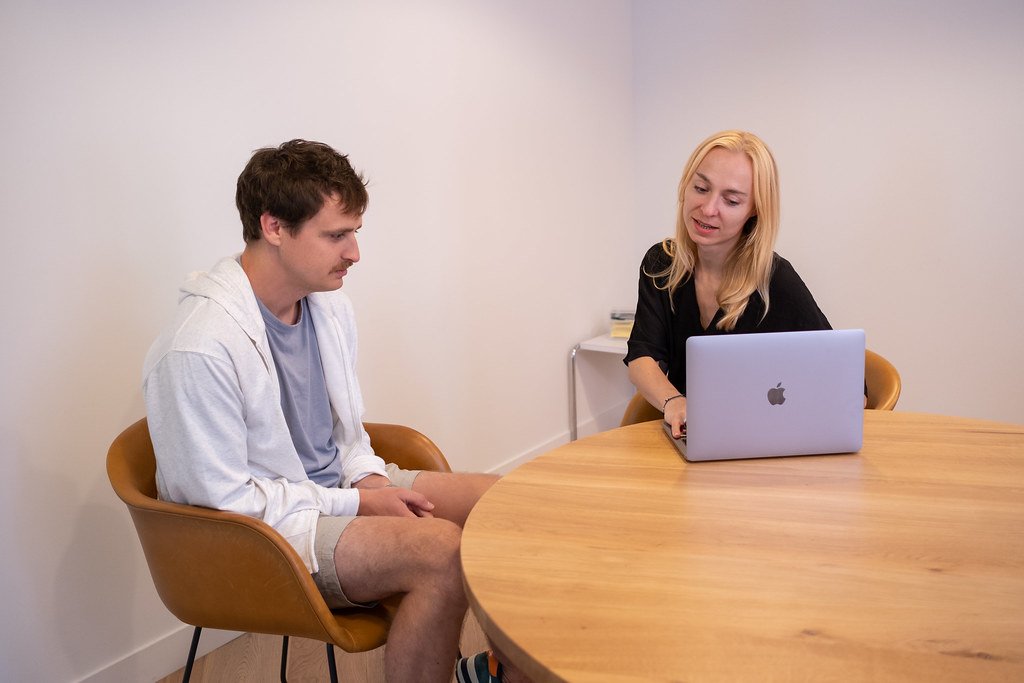
Big news for international students: the separate co-op work permit is gone. As of April 1, 2026, eligible post-secondary international students in Canada no longer need a second permit to complete co-op placements, internships or other work placements that are a required part of their study program.
What the co-op work permit change means
Until now, a student whose program included a mandatory work placement had to apply for a co-op work permit on top of their study permit, same program, two applications. IRCC has removed that step. Students may now work for employers approved by their designated learning institution (DLI) as part of their program requirements, on the strength of their study permit alone.
IRCC is clear about the intent: this doesn’t authorize more students to work or change temporary resident volumes. It simply deletes an administrative step that no longer served a purpose.
Already applied for a co-op work permit?
Do nothing. IRCC will withdraw all eligible, active co-op work permit applications itself. You don’t need to contact IRCC or resubmit anything.
What students should still watch for
Three cautions from practice. First, the work must be a required part of your program with an employer approved by your DLI, off-campus work rules are a separate regime with their own hour limits. Second, your study permit must remain valid and you must remain enrolled and compliant; placement work doesn’t cure a status problem. Third, if you’re planning your post-graduation work permit and eventual permanent residence, keep clean records of your placements, immigration history questions follow you through every future application.
The bottom line
The co-op work permit change is a genuine simplification, one application fewer, no fees wasted, no processing wait before a placement can start. If you’re unsure whether your placement qualifies, get advice before you start working. See my study permit services for how I help students stay compliant from admission to graduation.
Source: IRCC Notice, April 9, 2026
This article is general information, not legal advice. Every case is different: book a consultation to discuss your situation.
About the author
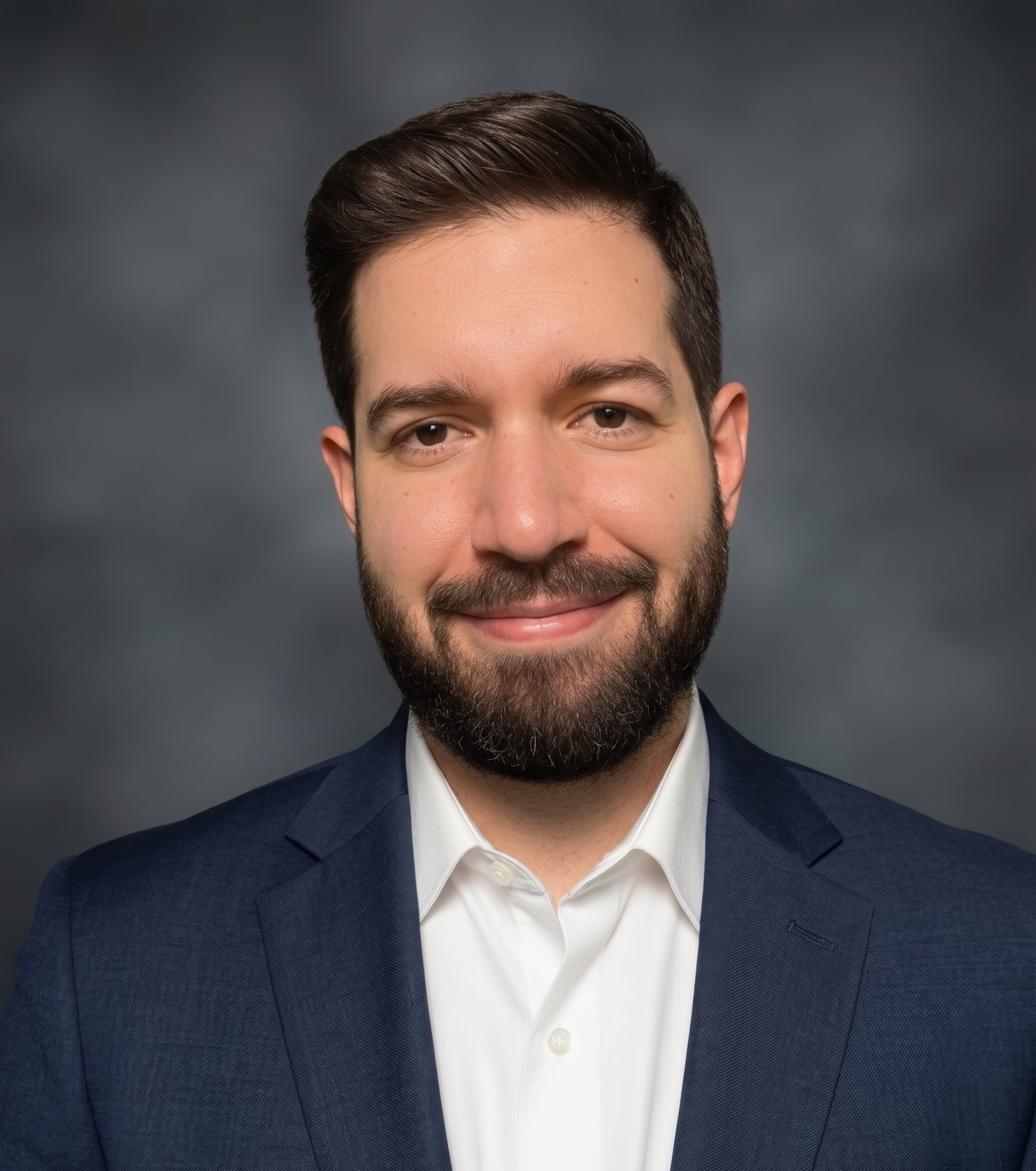
Miguel Martins Pereirinha is a Canadian immigration lawyer and partner at Slayen Immigration Law in Vancouver, British Columbia. He practises Canadian immigration law exclusively — work permits, permanent residence, family sponsorship, citizenship and inadmissibility — and works with clients in English and Portuguese.