In a notice posted January 15, 2026, IRCC confirmed that the list of fields of study eligible for a post-graduation work permit will not change for the rest of 2026. After two years of upheaval, that is a rare piece of stability for international students.
How we got here
IRCC first tied PGWP eligibility to labour-market-aligned fields of study in 2024. In June 2025, 119 fields were added and 178 were slated for removal; a month later the removals were paused. The 2026 freeze locks the current list in place until the next scheduled update.
Who this helps
Students in programs that survived the 2025 revisions can now plan with confidence: information technology diplomas at public colleges in areas like software development and cybersecurity, licensed practical nursing programs, and several construction trades certificates all remain eligible. Graduates of university degree programs remain exempt from the field-of-study requirement entirely.
Who still needs to be careful
College certificate and diploma students remain the group most at risk of an unpleasant surprise. Eligibility is assessed against the rules in place when you apply for the permit, and the freeze runs only to the end of 2026. If you are choosing a program now that you will not finish for two years, choose one whose PGWP eligibility does not depend on a list that could move again in 2027.
Three checks before you pay tuition
First, confirm your institution is a designated learning institution whose graduates are PGWP-eligible. Second, confirm your specific CIP program code is on the current list, not a similar-sounding program. Third, confirm the language requirement: PGWP applicants need CLB 7 for university graduates and CLB 5 for college graduates. A program that fails any of these checks is a program that ends without a work permit.
Official source: IRCC: Update on field of study requirement for PGWPs.
This article is general legal information, not legal advice. Immigration rules change frequently and every case is different. For advice about your situation, book a consultation.
About the author
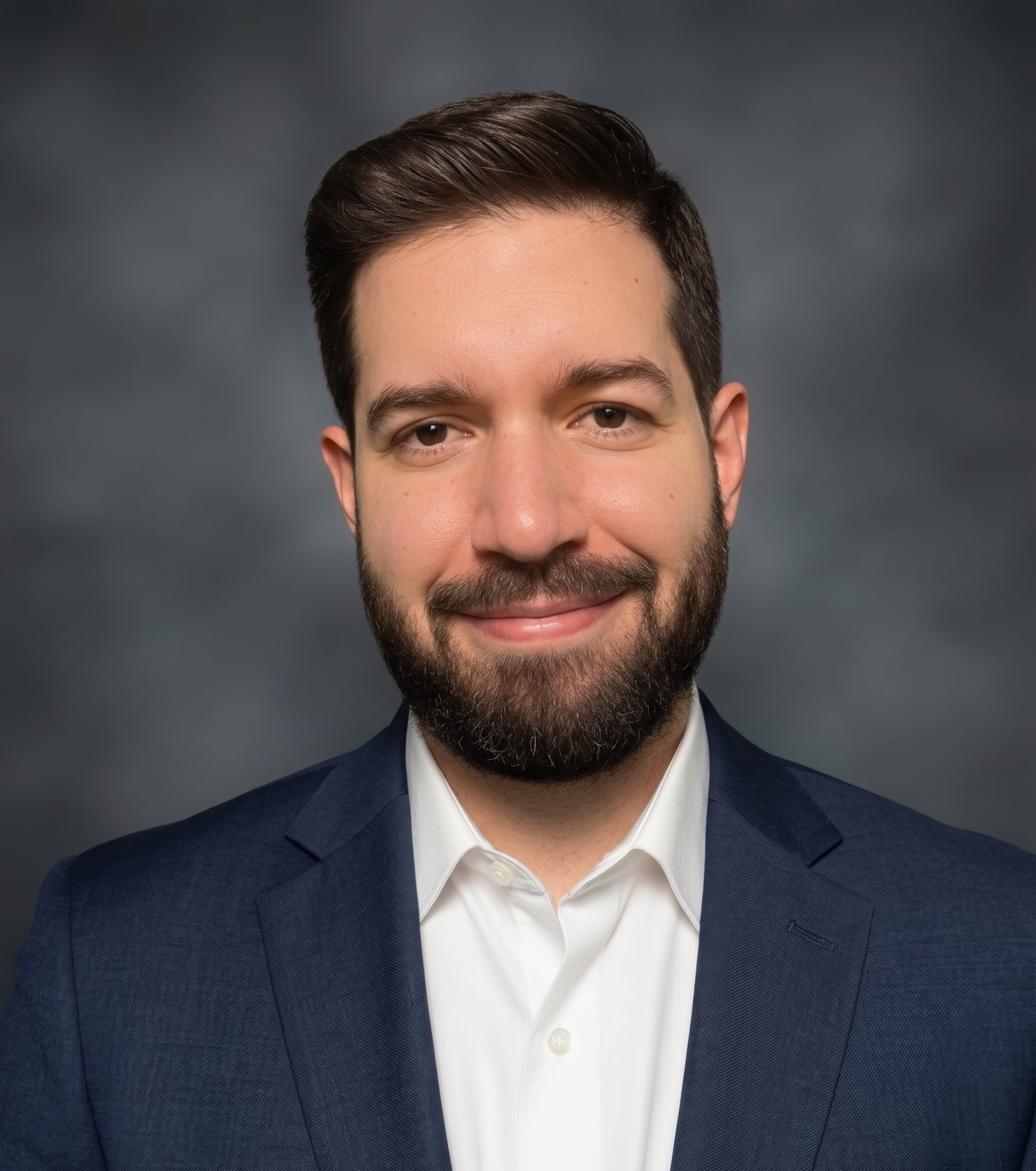
Miguel Martins Pereirinha is a Canadian immigration lawyer and partner at Slayen Immigration Law in Vancouver, British Columbia. He practises Canadian immigration law exclusively — work permits, permanent residence, family sponsorship, citizenship and inadmissibility — and works with clients in English and Portuguese.