

On July 15, 2026, new federal regulations governing the College of Immigration and Citizenship Consultants come into force. IRCC has described the package as the most significant regulatory update since the College opened in 2021. For anyone paying for immigration help, the changes matter.
What changes
Two pieces stand out. The complaints and discipline process gets stronger teeth, and a new compensation fund will provide financial restitution to people who suffered losses because a licensed consultant committed a dishonest act on or after November 23, 2021.
Why this exists
Immigration fraud remains a persistent problem. Every year, applicants lose money and, worse, receive refusals or misrepresentation findings because of bad advice from unlicensed or dishonest advisers. A misrepresentation finding carries a five-year ban, so the cost of bad help is measured in years, not just dollars.
Consultant or lawyer: know who you are hiring
Only two groups can represent you for a fee on most Canadian immigration matters: licensed consultants regulated by the College, and lawyers regulated by a provincial law society. Verify the licence before you pay anyone. A lawyer’s discipline history is public through the law society; a consultant’s status is searchable in the College’s public register.
There is also a difference in scope. Consultants cannot represent you in Federal Court. If your matter could end in litigation, such as a refusal you intend to challenge, that distinction becomes important early, because the strategy in the application stage shapes the record a court will later review.
If you were harmed by bad advice
Keep every receipt, email, and document. From July 15, the compensation fund provides a route to recover losses caused by dishonest conduct of licensed consultants going back to late 2021. Losses caused by unlicensed “ghost consultants” are not covered, which is one more reason to verify credentials before engaging anyone.
Official source: IRCC: Notice on College regulations.
This article is general legal information, not legal advice. Immigration rules change frequently and every case is different. For advice about your situation, book a consultation.
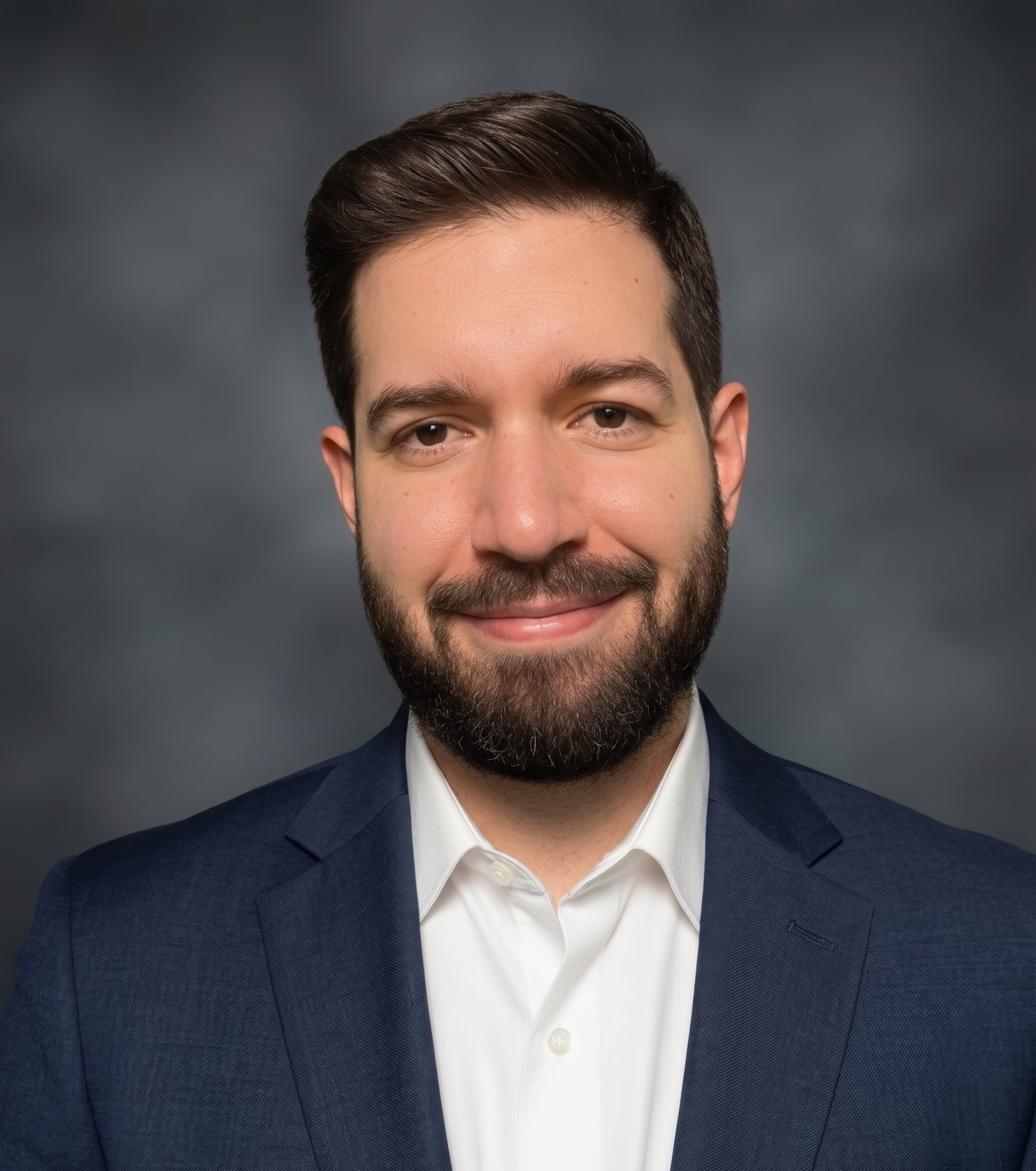
About the author
Miguel Martins Pereirinha is a Canadian immigration lawyer and partner at Slayen Immigration Law in Vancouver, British Columbia. He practises Canadian immigration law exclusively — work permits, permanent residence, family sponsorship, citizenship and inadmissibility — and works with clients in English and Portuguese.